

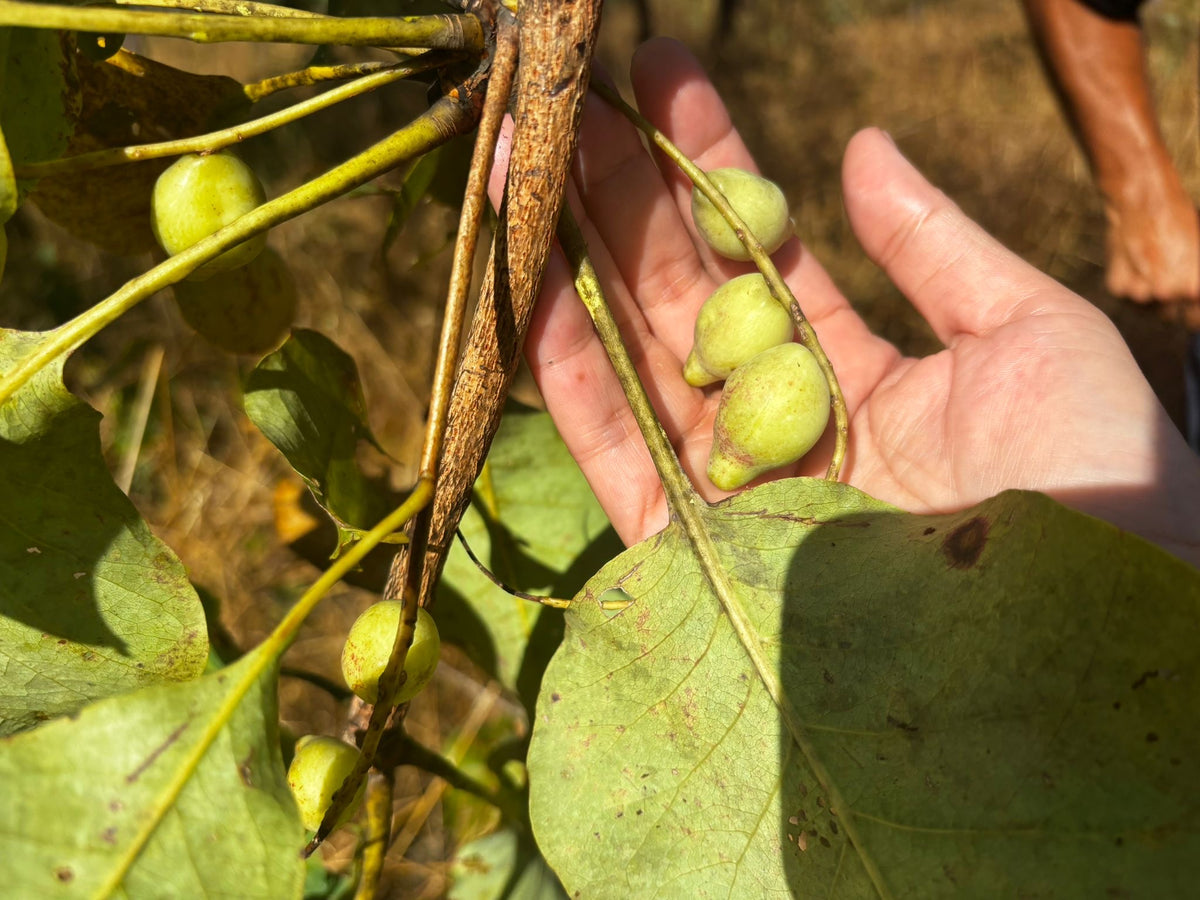
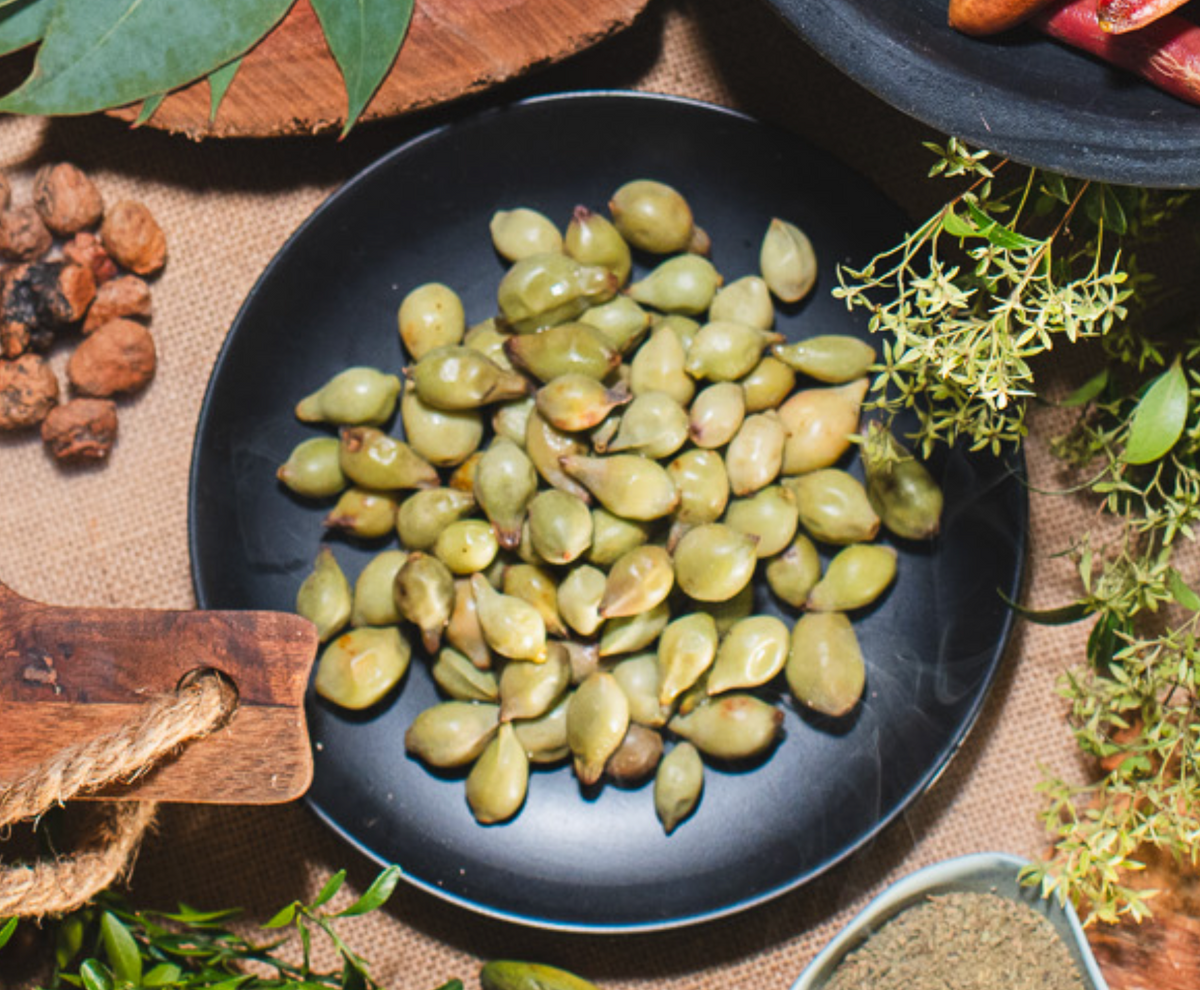
Kakadu Plum, also known as Damiyumba or Billy goat Plum, has the highest Vitamin C content than any other food in the world!
Kakadu plums are smooth, fleshy and egg-shape, with a short beak-like tip, and is yellow-green or slightly reddish when ripe. They grow on a medium-tall sized tree, growing in clusters along the branches. They have a sour, tart and fruity flavour profile.
-

Health benefits
Kakadu plums are exceptionally rich in nutrients, providing a valuable source of dietary fibre, antioxidants, and essential minerals. They are well recognised for their exceptional Vitamin C content, which boosts immune health, helps reduce oxidative stress and may support heart health and cognitive function.
-

Growing conditions They are typically in season during the wet season, from around February to May in northern Australia. Kakadu plums are best harvested when fully mature, as the fruit develops its flavour and nutritional qualities on the tree before naturally detaching. They are typically grown in tropical and subtropical regions in full sun, preferring well-drained sandy, loamy or alluvial soils with seasonal rainfall and good moisture availability during the growing period.
-

Did you know?
Kakadu plum is packed with 100x more Vitamin C than an orange!


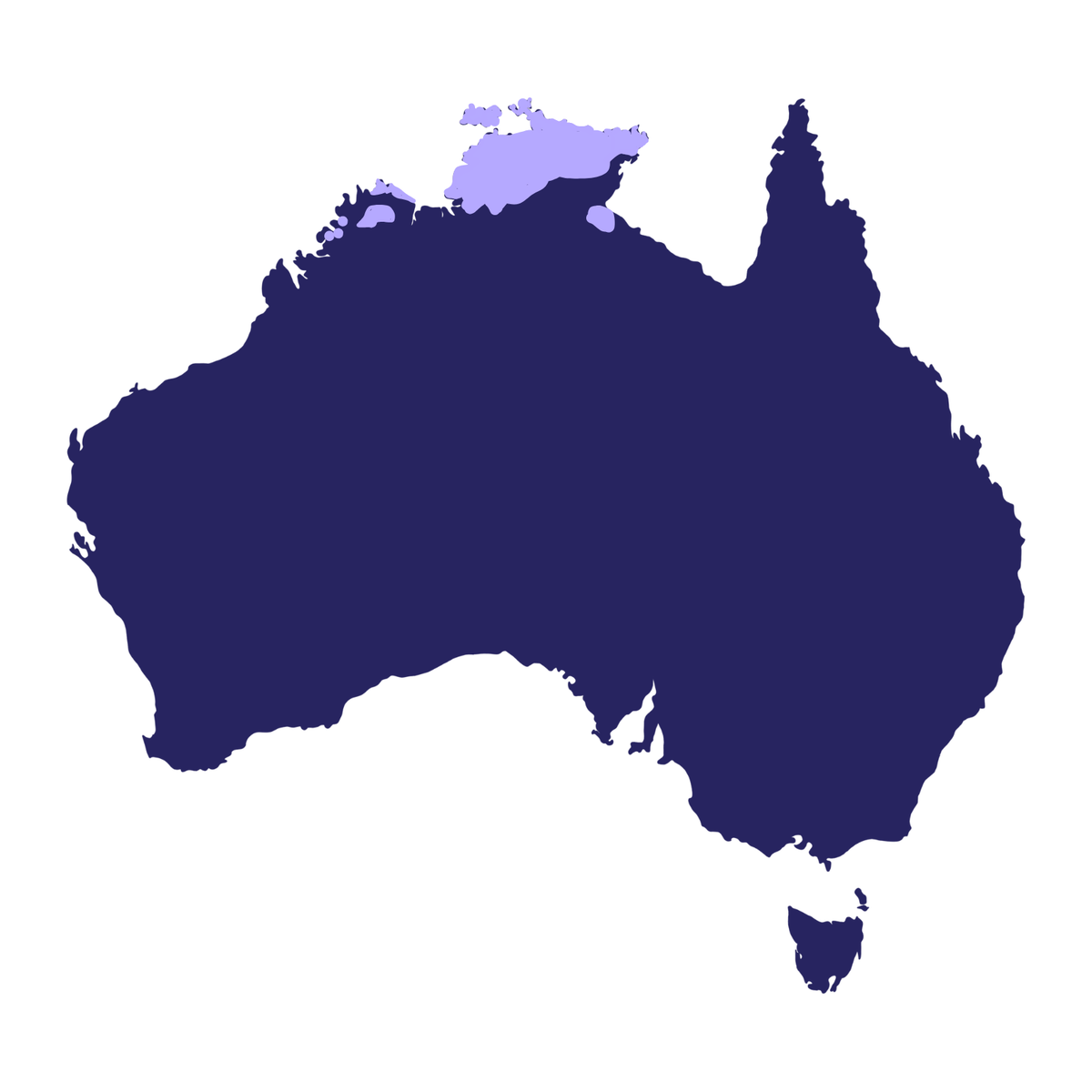
Kakadu plum can be found across the tropical and subtropical open woodlands of northern Australia.
Kakadu Plum is considered a gift from the Dreamtime, Australia’s native star superfood. Kakadu Plum has exceptional nutritional and antiseptic properties and has been an important food and medicine in Northern Australia for Aboriginal people for millennia. The tart fruit was eaten fresh when available and used in traditional preparations to support health and wellbeing. Aboriginal communities used the fruit and infusions for ailments such as colds, flu symptoms and headaches. The red inner bark was crushed and applied to wounds, sores and aching muscles, while bark and leaf preparations were used to support skin health and treat conditions such as bacterial and fungal infections, including ringworm and inflammation.
Kakadu Plum used in Cooee Cookies is grown on Nyal Nyal Country (NT).
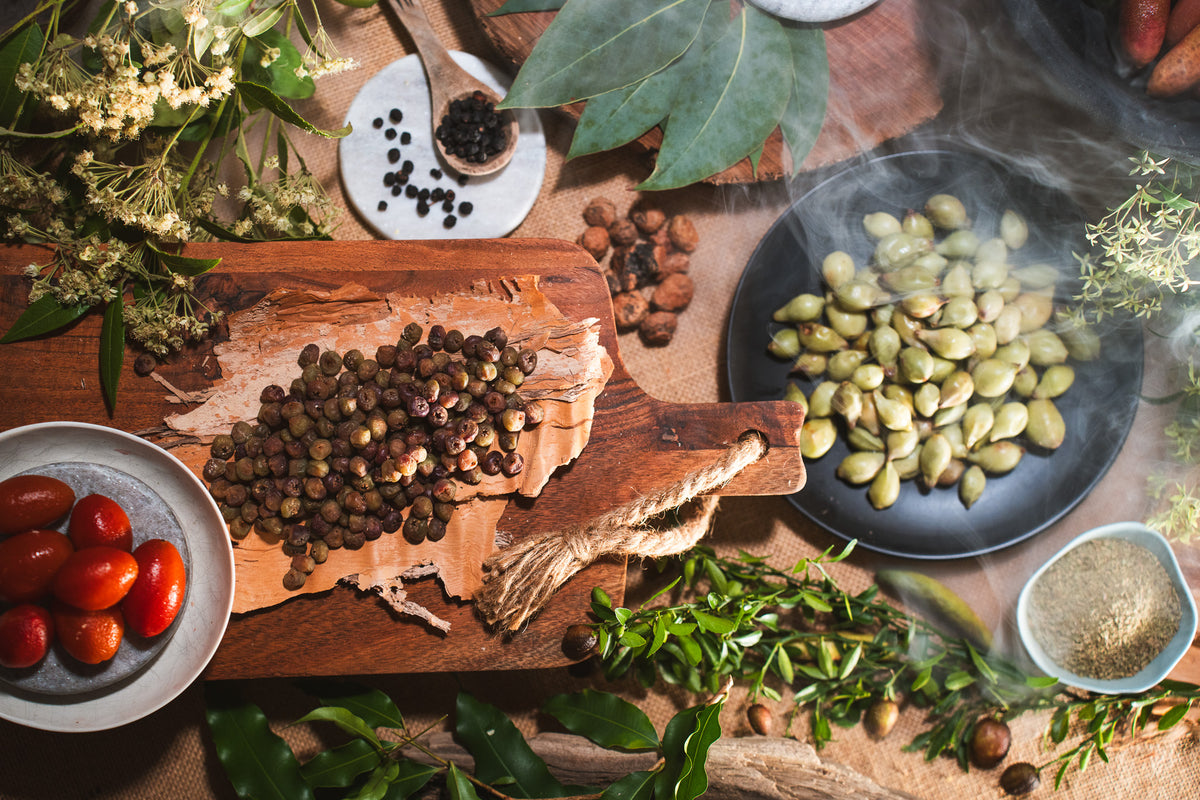
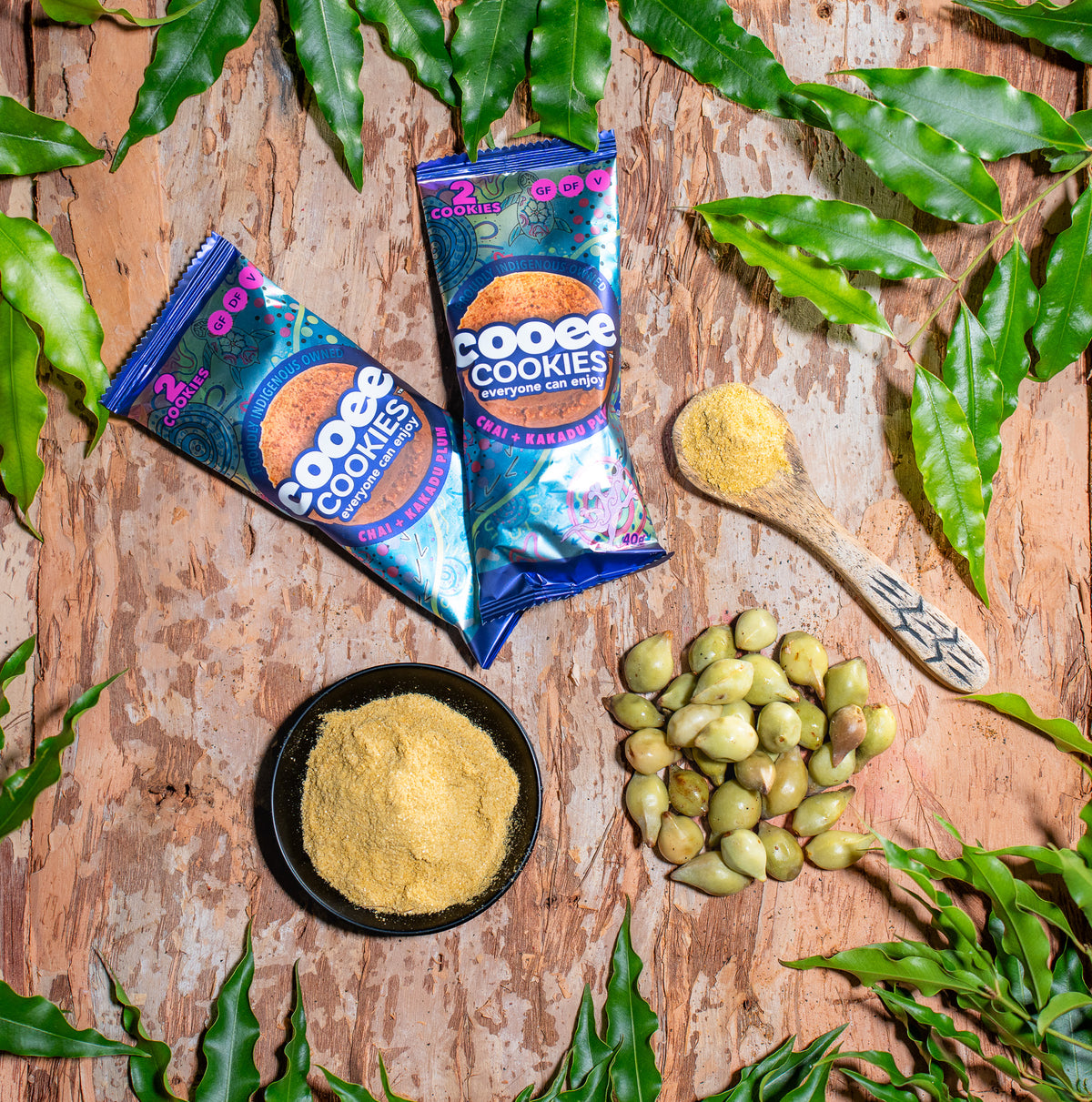
Made with Native Kakadu Plum
-
 Sticky Chai & Kakadu PlumSticky Chai & Kakadu Plum
- Regular price
-
$4.00 - Regular price
-
- Sale price
-
$4.00
Quick view
-
 Shelf Ready TrayShelf Ready Tray
- Regular price
-
$49.95 - Regular price
-
$49.95 - Sale price
-
$49.95
Quick view

